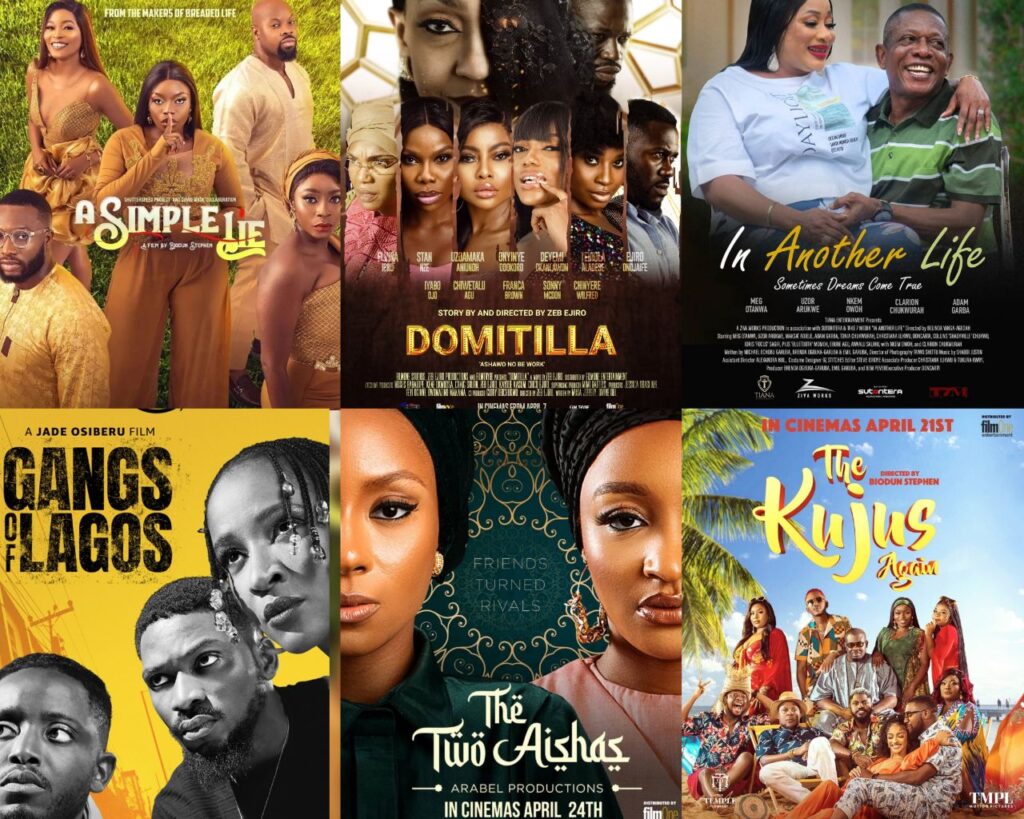
Nollywood remains a cultural giant across Africa, influencing storytelling, fashion, music, and entertainment. Yet despite its massive output and growing global visibility, many industry insiders believe that the Nigerian film industry is still struggling to achieve a full international breakthrough. The reason? A consistent lack of focus on end-user experience.
As the world becomes more interconnected and African content gains global attention, Nollywood stands at a critical point in its evolution. The demand for African stories is rising, but so are the expectations of a global audience accustomed to high production standards.
Quality vs. Growth: The Industry’s Crossroads
For decades, Nollywood has excelled through speed, creativity, and cultural representation. Its films regularly top streaming charts across Africa, the Caribbean, and parts of Europe. But for the international mainstream market, the industry often faces criticism in several key areas:
Sound and audio clarity
Lighting and cinematography quality
Script depth and character development
Editing and post-production consistency
Distribution and platform accessibility
While Nollywood continues to grow, experts argue that the industry must shift from prioritizing quantity to prioritizing quality. The global audience is no longer just watching African movies for representation—they want premium, cinematic experiences.
Investment Is Growing — One Firm Injects $6 Million into Nollywood
Despite these challenges, investor confidence in Nollywood remains strong. Recently, an investment firm revealed a major $6 million commitment to support Nollywood projects, studio development, and production upgrades.
This investment highlights a key truth:The world sees Nollywood’s potential, even if the industry itself must evolve to fully unlock it.
The funds are expected to contribute to:
Technical equipment upgrades
Professional training for crew members
Better funding for scripts and story development
Expansion of distribution channels
Higher-quality production standards
Investors understand that Nollywood can dominate globally—but only if the user experience matches the ambition.
The User Experience Gap
User experience goes beyond visuals. It includes:
How easy it is to access the film (platform availability)
How immersive the story feels
Whether the technical quality enhances or distracts
How consistent the production is from start to finish
Global audiences have become accustomed to seamless quality from Hollywood, Bollywood, and Korean entertainment. To stand beside these industries, Nollywood must meet similar standards.
Industry analysts warn that unless Nollywood embraces a more audience-focused approach, its global momentum may slow—despite the talent and creativity that define the industry.
What Nollywood Must Do to Compete Globally
To achieve the global breakthrough everyone anticipates, Nollywood needs to invest more
1. Technical Training & Professional Development
Cinematographers, editors, and sound engineers must continuously upgrade their skills to meet international expectations.
2. Stronger Quality Control Systems
Studios must adopt strict standards before films are released, ensuring consistent delivery.
3. Slower, More Strategic Productions
Rushing productions often leads to avoidable mistakes. A more measured approach enhances final quality.
4. Improved Distribution & Partnerships
Better collaboration with global streaming platforms will expand Nollywood’s reach and revenue.
5. Audience-Centric Decision Making
Producers and directors must listen to audience feedback—locally and globally.
The Future Is Still Bright
Nollywood is not falling behind—it is simply at a turning point. With stronger investments, growing fan bases, and rising global interest in African storytelling, the Nigerian film industry still has everything it needs to dominate worldwide.
But for this to happen, Nollywood must elevate its production culture. Creativity alone is not enough. Modern audiences want high-quality visuals, premium sound, powerful storytelling, and world-class presentation.
If Nollywood embraces this shift, the next decade could mark the industry’s transformation from Africa’s film giant into a true global powerhouse.