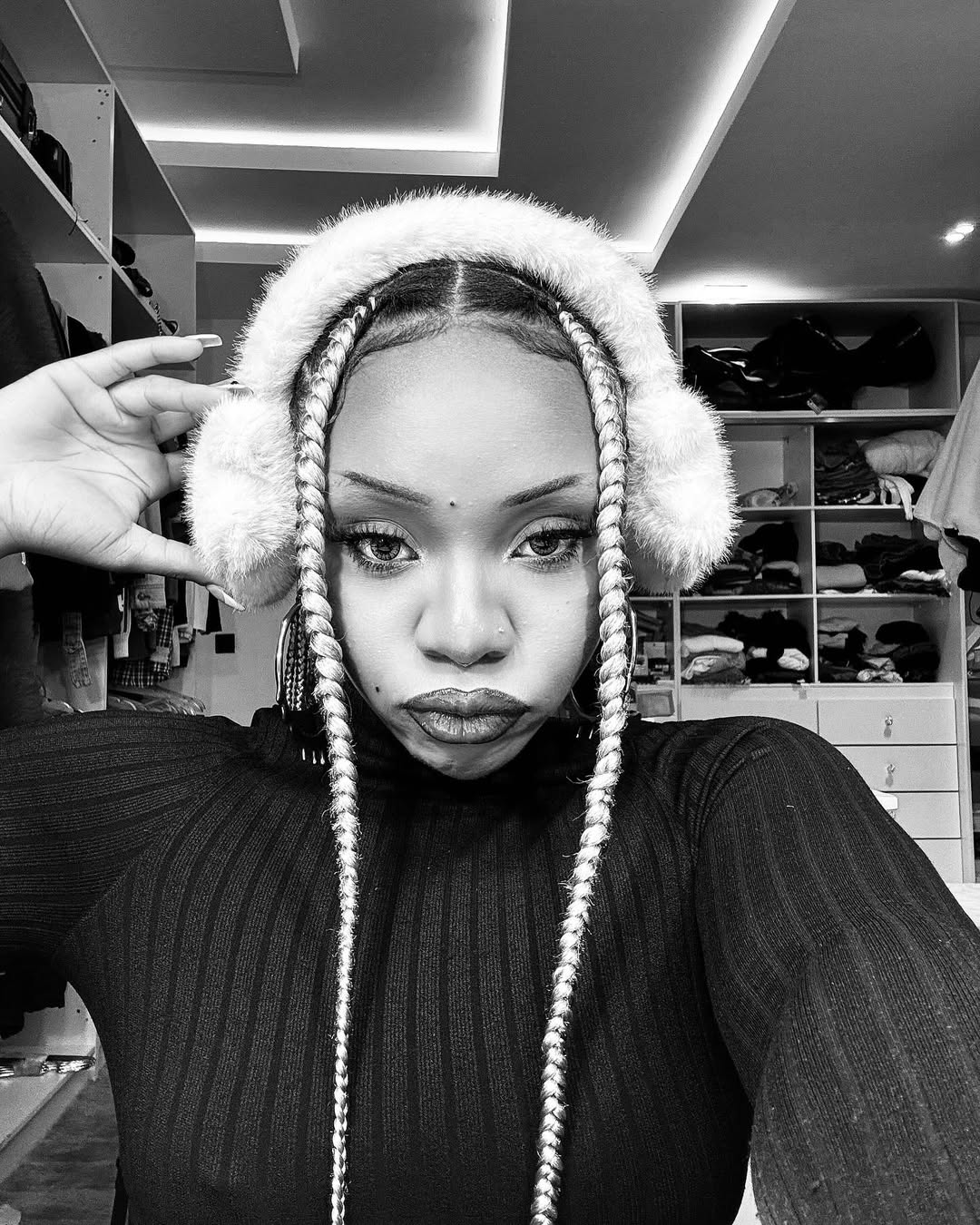
Nigerian singer and songwriter Fave has sparked conversation online after publicly expressing concern over reports of new regulations restricting music performances and shows during the month of Ramadan in Nigeria.
The Afrobeats star, known for hits like “Baby Riddim” and “Kante”, took to social media to question the impact such restrictions could have on artists, creatives, and the entertainment industry as a whole. Her reaction has since ignited mixed responses across social media, with fans, artists, and cultural commentators sharing different perspectives.
What Fave Said
Fave voiced her frustration over the alleged policy, emphasizing that music and live performances are not just entertainment but also a major source of income and livelihood for many creatives. According to her, blanket restrictions during Ramadan could unfairly affect artists who rely on shows, concerts, and club appearances to sustain their careers.
She also highlighted the need for balance and inclusivity, stressing that Nigeria is a diverse country with people of different religions and lifestyles, all of which should be respected without limiting others’ opportunities to work.
Mixed Reactions Online
Following her comments, social media quickly reacted. While some fans applauded Fave for speaking up and defending creatives, others criticized her stance, arguing that Ramadan is a sacred period that deserves respect and that temporary restrictions may be culturally appropriate in certain regions.
Several users pointed out that similar limitations exist in other parts of the world during religious observances, while others called for clearer communication from authorities to avoid misinformation and unnecessary backlash.
The Bigger Conversation
Fave’s comments have opened a wider discussion about religion, culture, and creative freedom in Nigeria. The entertainment industry continues to grow rapidly, and many believe that policies affecting it should involve dialogue with stakeholders, including artists, promoters, and event organizers.
As of now, there has been no official nationwide statement fully confirming or detailing the alleged restrictions, leaving many creatives uncertain about what to expect during Ramadan.
Final Thoughts
Fave’s protest reflects a growing trend of African artists using their voices to address issues that affect the creative economy. Whether one agrees with her or not, the conversation highlights the importance of clear policies, mutual respect, and inclusive decision-making in a multicultural society like Nigeria.
EIIAFRICA will continue to monitor the situation and provide updates as more information becomes available.